Source Digital Earth Grounding Resistance Tester for Testing, Monitoring
Explore 30 listings for the digital earth grounding resistance tester to compare specifications like resistance range, accuracy, and power supply. Buyers can evaluate options from manufacturers in China with varying capacities and display types to find the right equipment for their needs.
Key considerations
Products List






Comprehensive Sourcing Guide
Digital Earth Grounding Resistance Tester Sourcing Guide
Procuring digital earth grounding resistance testers requires a clear understanding of the distinct categories available in the current market. The observed listings reveal a bifurcated product landscape, separating large-scale universal testing machines from specialized handheld instruments. Buyers must first distinguish between high-capacity static and dynamic load testers, which often feature AC220V power sources and computer control, and portable devices designed for field use. This distinction is critical because the operational environment, whether a laboratory setting or an outdoor construction site, dictates the necessary form factor and power requirements.
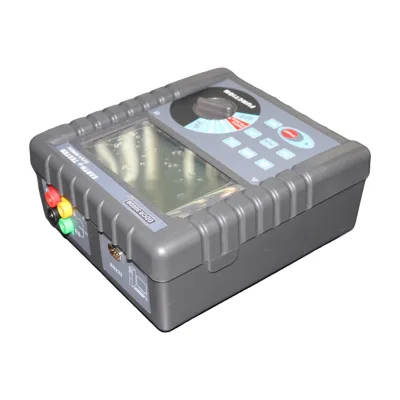
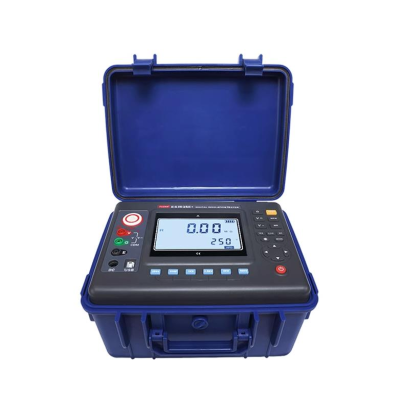
The second category involves compact, battery-operated units designed for specific resistance measurements. These devices typically feature LED or LCD digital displays and are engineered for portability, with weights ranging from under one kilogram to approximately fourteen kilograms. Understanding this split allows procurement teams to align their purchasing decisions with their specific testing needs, ensuring they do not over-specify for simple field checks or under-specify for complex material analysis. This foundational clarity prevents costly mismatches between equipment capabilities and actual operational demands.
Product Scope and Observed Listing Signals
The current market signals indicate a wide variance in product specifications, with observed prices ranging from ninety to nearly nineteen thousand US dollars. This broad spectrum reflects the difference between basic handheld testers and sophisticated universal testing machines capable of handling loads exceeding one thousand kilonewtons. Buyers should note that the term "digital" applies to both categories, but the underlying technology differs significantly. High-end machines may utilize electronic load systems and under-mounted oil cylinders, while portable testers rely on internal batteries and compact circuitry for on-site measurements.
Listing attributes also highlight significant variations in physical dimensions and weight. Portable units are often described with precise meter sizes, such as 273 millimeters in length, and include features like 2.4-inch color LCD screens for enhanced readability in various lighting conditions. In contrast, larger testing equipment is packaged in wooden cases with foam for protection, indicating a need for careful logistics planning. These observed signals suggest that buyers must carefully evaluate the intended use case, as the physical footprint and power source requirements will vary drastically between a handheld device and a floor-standing universal tester.
Technical Specifications to Verify
When evaluating technical specifications, buyers must prioritize accuracy and resolution metrics, particularly for handheld devices. Key parameters include resistance resolution, which may be specified as 0.01 ohms, and current resolution down to 0.001 milliamps. Voltage resolution is another critical factor, often listed at 0.01 volts. These precise measurements ensure that the tester can detect minute variations in grounding systems, which is essential for maintaining safety standards in electrical installations. Verifying these resolution values against the supplier’s datasheet is a mandatory step to ensure the equipment meets the required precision levels for your specific application.
Power supply and environmental operating conditions are equally important considerations. Handheld units often support a wide voltage input range, such as AC180 to 270 volts, and are designed to operate in temperatures between minus ten and forty degrees Celsius with humidity below eighty percent relative humidity. For larger machines, the power source is typically AC220V, and the loading method may be either static or dynamic. Buyers should verify the testing time capabilities, which can range from zero to ninety-nine seconds, and ensure that the device’s alarm ranges align with the specific thresholds required for their safety protocols.
Compliance and Safety Documentation
Compliance with international safety standards is a non-negotiable aspect of sourcing electrical testing equipment. The presence of CE certification in the market signals that certain products meet European health, safety, and environmental protection standards. Buyers should request valid certification documents from suppliers to verify that the equipment has undergone rigorous testing for electrical safety and electromagnetic compatibility. This documentation is crucial for ensuring that the devices can be legally imported and operated in various jurisdictions, particularly in regions with strict regulatory frameworks for electrical testing instruments.
In addition to certification, buyers must verify the accuracy grades and testing currency specifications provided by the manufacturer. Some listings mention accuracy grades of zero or currency accuracy percentages, which directly impact the reliability of the measurement results. It is essential to confirm that these accuracy claims are backed by traceable calibration certificates. Without proper documentation, the data generated by the testers may not be accepted for regulatory compliance or quality assurance purposes, potentially leading to significant operational and legal risks for the purchasing organization.
Cost Drivers and Commercial Terms
The cost of digital earth grounding resistance testers is influenced by several key factors, including the complexity of the measurement technology and the build quality of the device. Handheld units with high-resolution displays and advanced features like color LCD screens and multiple measurement modes tend to be more expensive than basic LED models. Conversely, universal testing machines with high load capacities and computer control systems command significantly higher prices due to their industrial-grade construction and advanced software integration. Buyers should analyze the total cost of ownership, including maintenance and calibration costs, rather than focusing solely on the initial purchase price.
Commercial terms such as minimum order quantities and delivery times also play a significant role in the procurement process. Observed minimum order quantities range from one to fifty units, offering flexibility for both small-scale purchases and bulk acquisitions. Delivery times are typically around seven days, which is relatively fast for industrial equipment, but buyers should confirm this with their specific supplier. Additionally, packaging methods, such as wooden boxes with foam or wooden cases without fumigation, can affect shipping costs and handling requirements. Understanding these commercial variables helps buyers negotiate better terms and plan their inventory management more effectively.
Supplier Qualification and Quality Control
Supplier qualification is a critical step in ensuring the reliability of the sourced equipment. Buyers should prioritize suppliers who provide detailed product specifications and transparent communication regarding their manufacturing processes. The origin of the products, often listed as China, particularly Wuhan, indicates a concentration of manufacturing hubs for this type of equipment. However, buyers must verify the supplier’s reputation and track record through independent reviews or industry references. Establishing a clear line of communication with the supplier can help clarify any ambiguities in the product specifications and ensure that the delivered goods match the agreed-upon standards.
Quality control measures should be explicitly defined in the procurement contract. Buyers should request samples for preliminary testing before committing to large orders, especially for high-value universal testing machines. For handheld devices, verifying the instrument weight and physical dimensions against the listed specifications can help ensure consistency in manufacturing. Additionally, buyers should inquire about the supplier’s warranty policies and after-sales support services. A robust quality control process, combined with reliable supplier support, minimizes the risk of receiving defective equipment and ensures long-term operational efficiency.
Long-Term Procurement Checks
Long-term procurement success depends on establishing a framework for ongoing performance monitoring and maintenance. Buyers should implement a schedule for regular calibration and verification of their testing equipment to ensure continued accuracy. This is particularly important for devices used in critical safety applications, where even minor deviations in measurement can have significant consequences. Keeping detailed records of calibration dates and results helps maintain compliance with industry standards and provides a historical reference for troubleshooting any potential issues that may arise during operation.
Furthermore, buyers should stay informed about technological advancements in the field of earth grounding resistance testing. Newer models may offer improved features such as faster measurement times, enhanced data logging capabilities, or better battery life. Regularly reviewing the market for updated products can help organizations upgrade their equipment to maintain competitive advantage and operational efficiency. By maintaining a proactive approach to equipment management and staying engaged with industry trends, buyers can ensure that their testing infrastructure remains reliable, accurate, and compliant with evolving regulatory requirements.
FAQs
What power source does the digital earth grounding resistance tester use?
The device typically operates on AC220V power, ensuring compatibility with standard industrial electrical outlets. This specification supports reliable performance during field testing. Users should verify local voltage requirements before deployment to prevent equipment damage. The AC power source eliminates the need for frequent battery replacements during extended testing sessions.
Can the digital earth grounding resistance tester be customized for specific needs?
Yes, customization is available for many models to meet unique operational requirements. Buyers can request specific configurations to align with their testing protocols. This flexibility allows for tailored solutions in various industrial environments. Customization options may include display settings or measurement ranges depending on the manufacturer's capabilities.
What is the typical delivery time for these testers?
The standard delivery time is approximately 7 days for most orders. This timeframe ensures prompt availability for urgent testing projects. Buyers should confirm lead times with suppliers as production schedules may vary. Expedited shipping options might be available for additional costs depending on the supplier's logistics.
Which certification is commonly associated with these digital testers?
CE certification is a common standard for these devices, indicating compliance with European safety requirements. This certification assures buyers of the product's quality and safety standards. It is essential for importing and using the equipment in regulated markets. Buyers should verify specific certification documents with the supplier before purchase.
What is the resolution accuracy for resistance measurements?
Resistance resolution can be as precise as 0.01 ohms for certain models. This high accuracy ensures reliable data for critical grounding tests. The device may offer different resolution levels depending on the measurement range. Users should select a model that matches their required precision for optimal results.
How is the digital earth grounding resistance tester packaged for shipping?
The equipment is typically packed in wooden boxes with foam inside for protection. This packaging style safeguards the device during transit without requiring fumigation. Secure packaging helps prevent damage and ensures the tester arrives in working condition. Buyers should inspect the packaging upon delivery to verify product integrity.